

May 8, 2026
Key Takeaways
- Chinese folktales weave together language, imagination, and culture, making vocabulary acquisition a more meaningful experience.
- Exciting characters and plot points make new Chinese words memorable and easy to retain.
- Simple narratives provide profound moral lessons for children, linking language proficiency to character development.
- Through stories, language learning also becomes an opportunity for children to discover Chinese traditions, festivals, and history.
The Magic of Learning the Chinese Language Through Stories
For many parents in Singapore, nurturing a genuine love for the Chinese language in their children feels like an uphill task. But one of the most effective and enjoyable ways to change this is through Chinese folktales. These timeless stories capture children’s curiosity, helping them learn words while discovering values and cultural roots that make the language meaningful.
Join us as we explore the power of language learning through stories and how you can make Chinese a source of joy and discovery for your child.
1. Rich Characters and Adventures
Chinese folktales are rich with unforgettable heroes, cheeky gods, and mythical creatures that populate grand, exciting adventures—elements that are perfect for capturing children’s imaginations. Take, for instance, the epic Journey to the West, which introduces children to Sun Wu Kong, the mysterious Monkey King.
When children are captivated by Sun Wukong’s exploits, they naturally absorb the vocabulary used to describe his transformations, his magical staff, and his battles. This excitement allows them to pick up new words, from simple action verbs to colourful descriptions, and keeps them firmly anchored in memory.
2. Simple Morals with Big Lessons for Character Building
Traditional Chinese tales stand out for their simple but enduring lessons. Aside from language learning, stories like The Foolish Old Man Who Moved Mountains (Yú Gōng Yí Shān) impart values in an engaging way, helping children understand abstract ideas through concrete examples.
For instance, tales of honesty, respect for elders, or the rewards of hard work give children relatable role models to look up to. Instead of being taught as rules, these values are absorbed naturally through characters and plotlines. Over time, folktales play an instrumental role in helping children form a moral compass, making them not only enjoyable bedtime stories but also important guides for daily life.
3. Cultural Insights Hidden in Stories
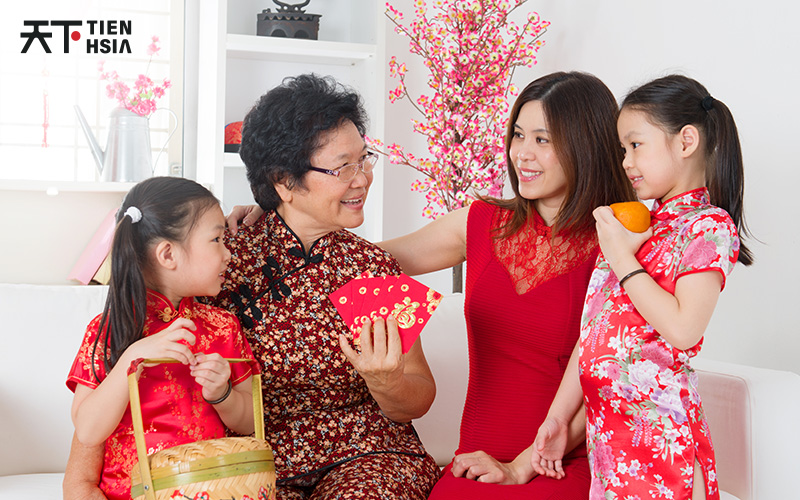
Aside from learning language through stories, folktales also act as fun history lessons, reflecting the festivals, customs, and core beliefs that define Chinese culture. When children read the tale of Nian, the beast, they are simultaneously learning language through stories and understanding the origins of Lunar New Year festivities, such as why we wear red and light firecrackers. By integrating heritage with vocabulary, the tales effectively enhance the Chinese curriculum for preschoolers, allowing children to learn more about their culture alongside their language.
4. Encouraging Imagination and Retelling for Natural Fluency
One of the best ways to build confidence in a language is through speaking, and folktales give children the perfect chance to practise. When kids act out or retell stories to their toys, their friends, or their parents, they’re experimenting with sentences, tone, and pronunciation in a natural, stress-free environment. The simple, repeatable structures in these stories also make it easier for children to try new words and phrases, turning practice into play. Over time, this active engagement strengthens fluency and helps children feel more at ease expressing themselves in Chinese.
Nurturing a Lifelong Appreciation of Chinese with Tien Hsia
For parents in Singapore, finding the right way to support Mandarin learning can make all the difference. Chinese folktales and storytelling offer more than just exciting narratives—they open the door to cultural values, imagination, and a lasting love for the language. When children engage in language learning through stories, they gain skills that extend far beyond exam results.
At Tien Hsia, a trusted Chinese language centre in Singapore, our teachers know how to weave storytelling into our structured lessons. This balanced approach in both our preschool and P1 Chinese programmes prepares children academically while keeping the spark of curiosity alive. We also introduce Chinese proverbs (成语), which are important for composition writing. By sharing the stories behind them, students learn with clear mental images and are able to use them more effectively in their writing.
Curious to see it in action? Arrange a complimentary trial and let your child experience a lesson with us today!