

May 8, 2026
Key Takeaways
- Building strong Chinese foundations in primary school requires consistent practice and the right strategies.
- Effective study techniques help children strengthen vocabulary, comprehension, and oral fluency in manageable steps.
- Parents play a key role by providing resources and encouragement for learning Chinese.
- With structured support, students can study Chinese effectively and approach exams with greater confidence.
Helping Your Child Build Confidence in Primary School Chinese
Chinese can feel like one of the tougher subjects in primary school, especially for children who don’t speak the language at home. The good news is that there are effective study techniques that you can use at home to support your child’s progress. By making Chinese language learning more interactive and manageable, students can not only keep up with classwork but also develop the fluency and confidence needed for school and beyond.
1. Use Picture-Word Association for Vocabulary
When children begin P1 Chinese, it’s common for them to feel overwhelmed by new characters. For these young learners, picture-word association can be an effective study technique to help them connect symbols with meaning, recall words more easily, and build confidence in recognising characters. You can create simple word cards at home, place labels around the house, or explore apps that combine characters with images. These small steps help your child build stronger word recognition in a fun and practical way.
2. Practise Daily Reading with Graded Materials
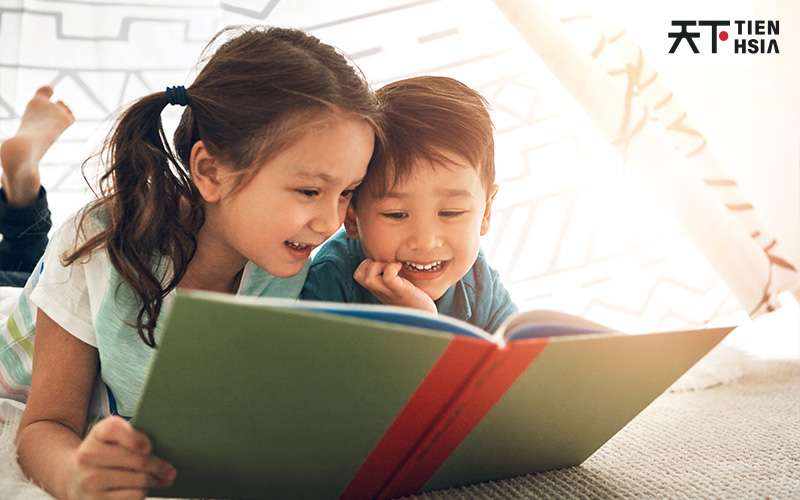
Consistent reading is one of the most effective study techniques for building fluency. Instead of tackling long passages, encourage your child to read short, level-appropriate stories or comprehension texts daily. Just 10 to 15 minutes a day helps reinforce vocabulary, sentence structure, and comprehension. You can set aside family reading time or even take turns reading aloud together. As your child progresses, gradually introduce texts with more complex structures to prepare them for deeper reading in later years.
3. Apply the Spaced Repetition Method
Children often forget new words soon after learning them, especially when revision is crammed before tests. This is where the spaced repetition method comes in. The idea is simple: instead of reviewing vocabulary once and moving on, you help your child revisit the same words at increasing intervals. For example, they can review new words the next day, then after three days, one week, and later one month. This routine ensures your child can study primary school Chinese effectively without feeling overloaded, while also making revision more systematic and less stressful.
4. Incorporate Listening and Speaking Exercises
 Building a strong foundation in Chinese also requires fluency in listening and speaking. At home, introduce your child to Chinese audio clips, children’s songs, and short videos. Encourage them to adopt helpful habits, like summarising stories in Mandarin after listening, to boost their confidence in the language. By encouraging regular exposure to spoken Chinese, you help your child develop a natural ear for the language and greater ease in communication. This can become especially useful as your child prepares for their oral exams further down the line.
5. Make Learning Interactive with Flashcards and Quizzes
Children are far more motivated when learning feels like play. Interactive tools such as flashcards, quick quizzes, or mobile apps can be a great way to keep revision lively. You can even gamify the learning process at home, such as by timing how quickly your child can match characters to meanings or by letting them “teach” you during a quiz. This approach not only makes revision fun but also gives your child a sense of achievement, making learning less daunting and more engaging.
Supporting Your Child’s Chinese Journey with the Right Strategies
For many children, Chinese isn’t the language they use most often at home, making it feel tougher than other subjects. That’s why building small, consistent habits with effective study techniques can make all the difference. Over time, your child can feel more confident tackling everything, from daily homework to exam preparation.
At Tien Hsia Language School, we focus on helping children develop lasting confidence in Chinese through structured lessons, interactive activities, and strategies that make learning more engaging. Our programmes are designed to support students at every level, from P1 Chinese to PSLE Chinese tuition for exam preparation. For upper primary learners, we also have a 3-hour Enrichment Plus class that provides focused practice and targeted strategies to strengthen your child’s foundation in a supportive, engaging environment.
Reach out to arrange a complimentary trial and let your child experience a lesson with us.