


October 28, 2026
Key Takeaways
- Consistent language learning habits at home make practice feel natural and enjoyable.
- Morning greetings, labelled objects, and short practice sessions help children build confidence step by step.
- Age-appropriate media like songs, stories, and cartoons provide fun ways to absorb new words and pronunciation.
- Simple reflections at night reinforce memory and foster a sense of progress.
- Pairing daily routines with support from a Chinese enrichment class gives children the structure and guidance to thrive.
5 Everyday Chinese Learning Habits for Kids
Every parent hopes their child will grow comfortable and confident with their mother tongue, be it for school or for daily life. The good news is, this doesn’t require hours of drilling or endless worksheets. By weaving simple language learning habits into everyday life, you can help your child naturally strengthen their fluency and confidence.
Here are five simple daily practices that can help your child build a strong foundation in Chinese from a young age.
1. Start the Day With Simple Language Use
Morning routines are a perfect opportunity for language exposure. As you get ready for school, try using a few simple phrases, such as greeting your child with “早安” (good morning) or talking about the weather. You can also introduce a “word of the day” during breakfast, such as an object on the table. For younger learners, especially those starting K1 Chinese, these small, effortless moments help make the language feel natural and approachable.
2. Label Items Around the House
This is one of the most effective language learning habits for visual learners. Take a stack of sticky notes and write the names of everyday objects (in both English and the new language) on them. Place them on doors, chairs, tables, and toys. This simple act of labelling items around the house helps your child build word recognition through regular, passive interaction. They will see the words multiple times a day without even thinking about it, reinforcing vocabulary in a very organic way.
3. Dedicate 10–15 Minutes to Focused Practice
While casual exposure is important, structured daily Chinese practice has its place too. For older children, set aside just 10 to 15 minutes each day for focused exercises, such as reading a short passage, writing a few characters, or reviewing flashcards. Pairing these mini-sessions at home with a guided Chinese enrichment class for preschool can give children the extra reinforcement they need to progress with confidence.
4. Watch or Listen to Language-Rich Media
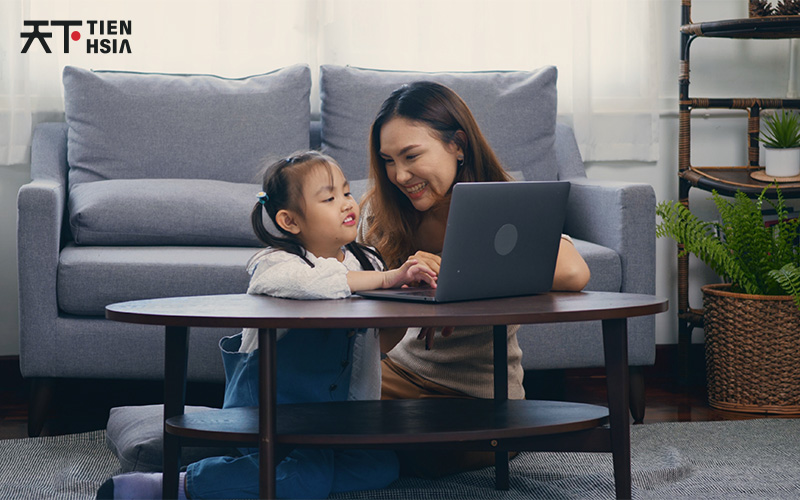
Screen time, when used purposefully, can be a valuable tool to help children learn a new language. Stories, songs, and cartoons introduce new words and speech patterns while exposing children to natural pronunciation and sentence flow. You might set aside family time on weekends for a short cartoon or play Mandarin songs during car rides. These light-hearted activities feel like family fun, yet they also serve as consistent practice that gradually strengthens your child’s language skills.
5. End the Day With a Language Reflection
Closing the day with a simple check-in can make a big difference in how well children remember what they’ve learnt. Invite your child to share a new word, phrase, or idea in Chinese, or let them draw something connected to it. These small reflections encourage a sense of progress and gently reinforce memory. Over time, this nightly routine helps strengthen the language learning habits that make steady improvement feel natural.
Bringing It All Together: Small Habits, Big Progress
Learning Chinese from a young age is a marathon, not a sprint. By integrating these simple language learning habits, you can create a supportive and engaging environment that makes the process feel natural and enjoyable for your child.
For parents who want to complement these home routines with more structured guidance, enrolling your child in Chinese tuition can make all the difference. At Tien Hsia, our programmes create a supportive space where children build fluency through daily use, engaging activities, and guidance from experienced teachers. We’re here to be a trusted partner in your child’s language journey.
Find a centre near you and get started today.