

January 20, 2026
Key Takeaways
- Reading gives children natural exposure to words in context, making them easier to remember and apply.
- Reading regularly can help strengthen writing and oral expression, boosting your child’s confidence in class and exams.
- Simple habits like letting your child choose books, setting small goals, and reading together can make reading in Chinese enjoyable and sustainable.
Why Reading Is the Key to Building Chinese Vocabulary for Primary Students
If your child has been trying to expand their Chinese vocabulary but is struggling to recall words and phrases, reading could be the solution. Instead of memorising lists, stories, comics, and short articles demonstrate how words can come alive in real situations, making them easier to understand and remember. Over time, these simple reading habits will not only strengthen vocabulary but also boost your child’s confidence in their language learning journey.
How Children Can Improve Their Chinese Through Reading
1. Words in Context Are Easier to Remember
Reading gives children the chance to see how words are used naturally in different sentences and stories, instead of just memorising them in isolation. For example, when a Primary 2 Chinese learner encounters the word “勇敢” (brave) in both a folktale and a short passage, the meaning becomes clearer and more memorable. Context transforms individual characters into meaningful expressions, making it easier for young learners to expand their vocabulary and recall words during classwork or exams.
2. Repetition Reinforces Learning
Children often need to encounter a word several times before it really sticks. Reading naturally provides this repetition across storybooks, magazines, and school texts. Each new encounter deepens understanding and makes recall easier. Over time, this steady exposure helps children expand their vocabulary in a way that feels natural and enjoyable.
3. Better Writing and Oral Expression
A stronger vocabulary opens the door to clearer and more creative communication. When it comes to Chinese creative writing, students with a wider word bank can describe settings, emotions, and ideas with greater depth. The same applies in oral exams; when children are familiar with a range of words, they can share their thoughts with more ease and confidence.
How to Encourage Your Child to Read More Chinese
1. Let Them Choose What They Enjoy
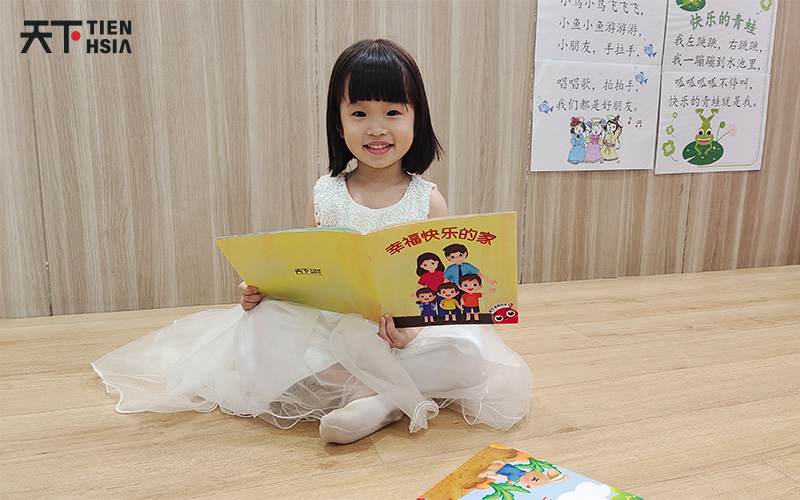
One of the most effective ways to encourage reading is to let children pick materials that match their interests. Comics, picture books, or magazines in Chinese can be just as valuable as textbooks. When children enjoy what they’re reading, they’re more likely to stick with it, turning reading from a chore into a habit. This is also why many Chinese lessons in Singapore, such as the enrichment programmes offered at Tien Hsia, now integrate storytelling and “Show & Tell” into their curriculum.
2. Set Small, Achievable Goals
Parents often assume reading must take hours to be effective, but even 10 to 15 minutes a day can have a big impact. Start small, maybe with one short story a week, and celebrate milestones such as finishing a book or using a new word in conversation. These positive reinforcements build momentum and show children that consistent effort pays off. Taking these consistent, manageable steps over time can help expand their vocabulary steadily without feeling overwhelmed.
3. Read Together When Possible
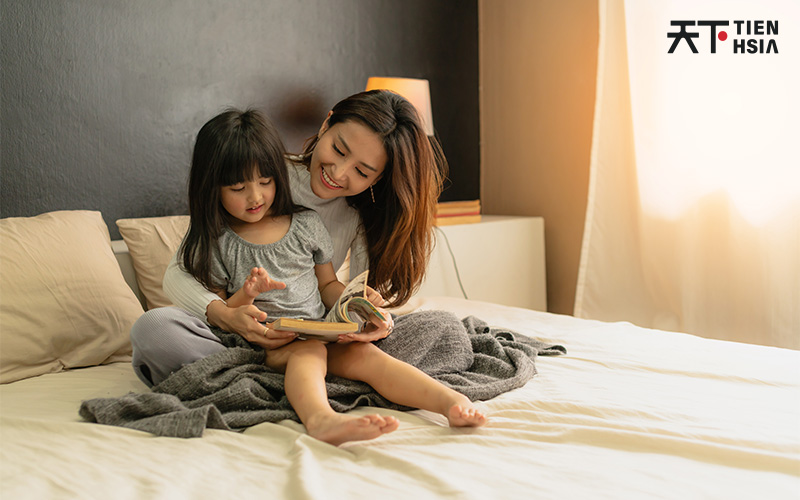
Even if you aren’t fluent, reading alongside your child shows support and encouragement. Take time to pause, ask questions, and talk about favourite parts of the story. These small conversations deepen understanding and make reading more interactive. Beyond learning, shared reading becomes a bonding activity that keeps you connected to your child’s progress in school.
Help Your Child Thrive with the Power of Reading
Reading is one of the best ways for children to expand their vocabulary, express themselves more clearly, and build a genuine interest in Chinese. With the right mix of engaging materials, small achievable goals, and shared reading moments, the process can feel both enjoyable and rewarding.
At Tien Hsia Language School, we go beyond textbooks by weaving reading, storytelling, and guided writing into our lessons. This approach helps our students strengthen their vocabulary while building the confidence to use Chinese in both writing and conversation. Whether your child is just starting out in P1 Chinese or preparing for upper primary, we’re here to support every step of their learning journey.
Ready to get started? Reach out to arrange a complimentary trial and let your child experience a lesson with us today!